Fruiting Body vs. Mycelium: Why It Matters When Choosing a Lion’s Mane Supplement
The fruiting body vs mycelium debate is the single most important thing to understand before buying a lion’s mane supplement. If you’ve spent any time researching lion’s mane supplements, you’ve probably run into this surprisingly heated discussion: fruiting body extract vs. mycelium-on-grain. It sounds technical, but understanding this distinction matters more than any other factor.
Last Updated: March 2026
This post contains affiliate links. If you purchase through these links, I may earn a small commission at no extra cost to you.
Here’s the short version: not all lion’s mane supplements are created equal, and what’s actually inside the capsule matters a lot more than what’s on the label.
What Is the Fruiting Body?
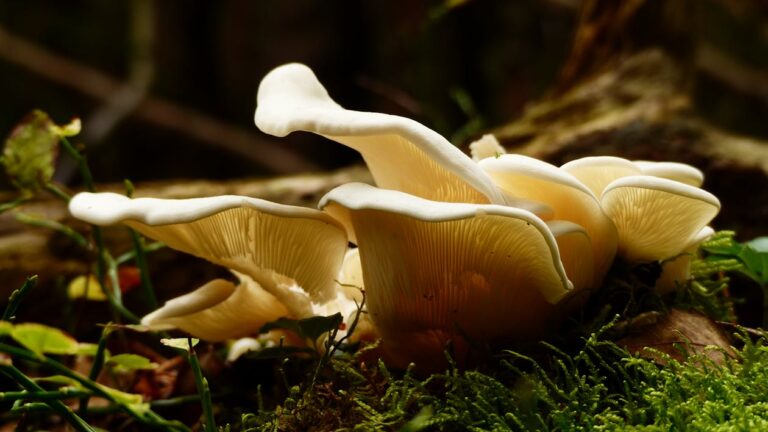
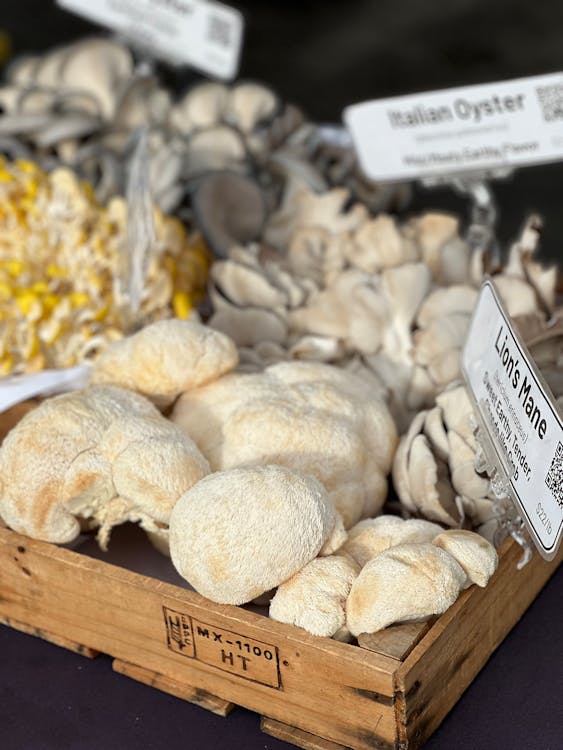
The fruiting body is the actual mushroom — the part you’d recognize if you saw lion’s mane growing on a tree in the forest. Those beautiful, shaggy white cascades of “teeth” hanging from a hardwood log? That’s the fruiting body. It’s the reproductive structure of the fungus, and it’s what humans have used in traditional medicine for centuries.
When a supplement says “fruiting body extract,” it means the product was made from this actual mushroom tissue. The fruiting body is where the highest concentrations of bioactive compounds are found — particularly beta-glucans, hericenones, and erinacines — the compounds researchers believe are responsible for lion’s mane’s potential cognitive and nerve health benefits.
What Is Mycelium-on-Grain?
Mycelium is the root-like network of the fungus — think of it as the underground web that eventually produces the mushroom. In nature, mycelium grows through soil, wood, and organic matter, breaking down nutrients to fuel the growth of the fruiting body.
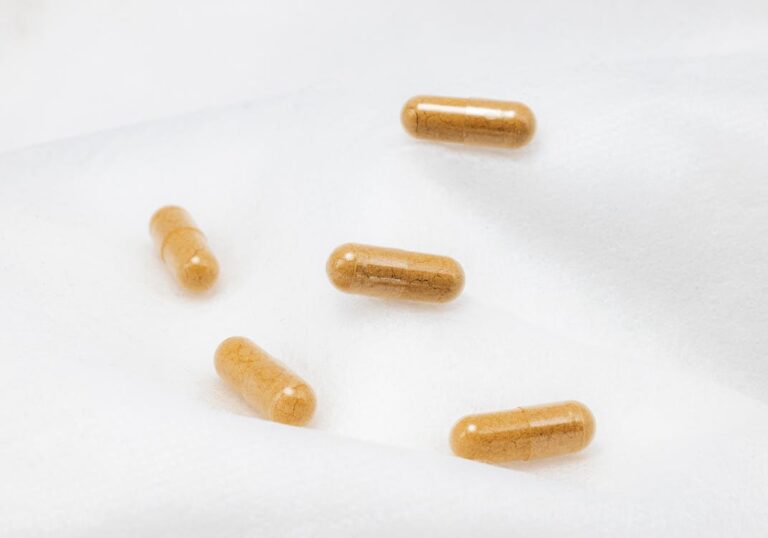
Some supplement manufacturers grow lion’s mane mycelium on grain (usually rice or oats) in a lab setting. The mycelium colonizes the grain, and then the entire mass — mycelium and grain together — is dried, ground up, and put into capsules.
Here’s the problem: there’s no practical way to separate the mycelium from the grain it grew on. So what ends up in the capsule is a mixture of mycelium and a significant amount of starch from the grain substrate. Independent testing has found that some mycelium-on-grain products contain as much as 50-70% starch and alpha-glucans from the grain filler.
Why Fruiting Body vs Mycelium Matters for You
The difference isn’t just academic. It directly affects what you’re getting for your money.
Beta-glucan content is the key metric. Beta-glucans are the primary bioactive compounds in medicinal mushrooms. Fruiting body extracts consistently test at 25-50% beta-glucans, while mycelium-on-grain products often test below 10%. Some test as low as 5%. When you see a supplement with low beta-glucan numbers, you’re largely paying for rice flour.
Starch content tells the story. A simple iodine test can reveal how much starch is in a mushroom supplement. Fruiting body extracts show minimal starch reaction. Mycelium-on-grain products often turn deep purple/black, indicating significant grain content. Some brands like Real Mushrooms actually publish these test comparisons on their website.
Research studies use fruiting body. The majority of published research on lion’s mane — including studies on nerve growth factor (NGF) stimulation and cognitive function — use fruiting body extracts or isolated compounds from the fruiting body. When you read about lion’s mane “supporting brain health,” that research was almost certainly conducted using fruiting body, not mycelium-on-grain.
How to Tell What You’re Actually Buying
Labels can be confusing, and some are intentionally vague. Here’s how to read them:
Look for “fruiting body” on the Supplement Facts panel. Not just in the marketing copy — on the actual Supplement Facts label. If it says “mycelium,” “mycelial biomass,” or “full spectrum” without specifying fruiting body, it’s likely mycelium-on-grain.
Check the beta-glucan percentage. Reputable fruiting body brands list their beta-glucan content, often verified by third-party testing. If a brand doesn’t list beta-glucans, that’s a red flag.
Look for third-party testing. Brands that invest in fruiting body extraction typically also invest in independent lab verification. ConsumerLab, for example, has tested and rated mushroom supplements — fruiting body products consistently outperform.
Check for the “Other Ingredients” section. If you see rice, rice flour, or grain listed, the product contains mycelium-on-grain. Some brands bury this in small print.
The Host Defense Debate
No discussion of fruiting body vs. mycelium is complete without mentioning Host Defense, Paul Stamets’ brand. Host Defense is the #1 selling mushroom supplement in natural grocery stores, largely due to Stamets’ celebrity status from Joe Rogan appearances and his Fantastic Fungi documentary.
Host Defense uses a mycelium-on-grain approach and argues that the mycelium contains unique compounds not found in the fruiting body. Stamets has a valid point that mycelium does contain some bioactive compounds. However, independent testing has consistently shown that Host Defense products contain significant amounts of starch from the rice substrate and relatively low beta-glucan levels compared to fruiting body extracts.
Reddit communities like r/nootropics and r/MushroomSupplements are particularly vocal about this. The consensus among informed supplement users is that fruiting body extracts deliver more bioactive compounds per dollar. That said, Host Defense isn’t “bad” — it’s a legitimate company with quality control. It just may not be the best value for the specific compounds most people are seeking. For a deep dive, read my full Host Defense vs. Real Mushrooms comparison.
Which Brands Use Fruiting Body Extract?
Several reputable brands use 100% fruiting body extract for their lion’s mane supplements:
Real Mushrooms — Verified >25% beta-glucans, third-party tested by ConsumerLab (rated #1 four years running), organic certified, 100% fruiting body. This is the brand Reddit recommends most consistently across r/nootropics, r/supplements, and r/MushroomSupplements.
Nootropics Depot — Uses an 8:1 dual hydro-alcoholic extract from fruiting body. Popular with the biohacking community for its concentrated potency. Only available on their own website.
FreshCap — 100% fruiting body, transparent about their sourcing and beta-glucan content. Strong presence on YouTube with educational content about mushroom quality.
Double Wood — Fruiting body extract at a more budget-friendly price point. Available on Amazon with solid reviews.
My Recommendation
If you’re buying a lion’s mane supplement for cognitive support, nerve health, or any of the benefits you’ve read about in research studies, go with a fruiting body extract. The science supports it, the testing confirms higher bioactive compound levels, and the informed supplement community overwhelmingly agrees.
For a full breakdown of every brand, see my Best Lion’s Mane Supplements guide.
For most people, I recommend starting with Real Mushrooms — the combination of verified beta-glucan content, ConsumerLab’s top rating, organic certification, and strong community trust makes it the safest choice.
If you want to compare options in detail, check out my full supplement roundup (coming soon) where I break down the top lion’s mane supplements by use case — best for focus, best for beginners, best budget option, and more.
Frequently Asked Questions
Is mycelium-on-grain completely worthless?
No. Mycelium does contain some bioactive compounds, and some people report benefits from mycelium-based products. But per dollar spent, fruiting body extracts deliver significantly more of the compounds that research associates with lion’s mane benefits. If you’re paying premium prices, you should be getting premium active ingredients.
Why do some brands still use mycelium-on-grain?
It’s cheaper and faster to produce. Growing mycelium on grain takes weeks. Growing and harvesting actual fruiting bodies takes months and requires more controlled conditions. The economics favor mycelium-on-grain for manufacturers, even if it’s not optimal for consumers.
Can I grow my own lion’s mane and skip supplements entirely?
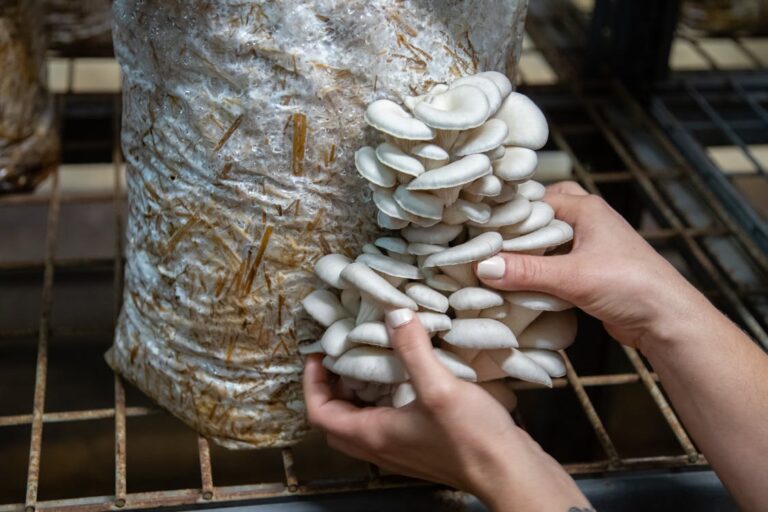
Absolutely — and that’s a big part of why this site exists. Fresh lion’s mane from a grow kit contains the full spectrum of compounds in the fruiting body. Growing your own is the freshest, most transparent way to consume lion’s mane. Check out my guide to the best lion’s mane grow kits to get started.
What about “full spectrum” products?
“Full spectrum” is a marketing term that sometimes means the product contains both fruiting body and mycelium. It’s not inherently bad, but it can be used to obscure the fact that the product is primarily mycelium-on-grain. Always check the Supplement Facts panel for specifics.
How much beta-glucan should I look for?
A quality fruiting body extract should have at least 20-25% beta-glucans, verified by third-party testing. Anything below 15% likely contains significant filler or is a mycelium-based product.
Related Reading
Best Lion’s Mane Grow Kits (2026): Tested and Compared
Lion’s Mane Benefits: What the Science Actually Says
My Recommended Growing Gear
Real Mushrooms Lion’s Mane Review